Essential Italy Travel Tips: Insider Advice from a Local
Plan Your Trip to Italy
with My Favourite Travel Resources
Book your Flights on: Skyscanner
Book your Accommodation Here: Booking.com
Rent your car with: rentalcars.com
Italy Key Information
Early 2024, I moved to live permanently in Puglia in South Italy. Prior to that, I lived in the UK and was visiting Italy at least 5-6 times a year, during those visits I explored most of Italy’s regions from North to South and its beautiful landscapes, beaches and mountain.
While in Italy I used different transport methods to move around, I ate delicious local foods and did private and local tours, because of my extensive knowledge about Italy and speaking its language, I am sharing my top tips as a local for your ultimate planning guide to Italy.
Italy Geographical Information
Italy is in Europe continent and Italy’s capital is Rome while Milan is the economical capital for the country.
Italy has 2 big main islands named Sardinia and Sicily and other small ones, such as the famous celebrity Island of Capri, Ischia, Stromboli and many more.
Italy Language
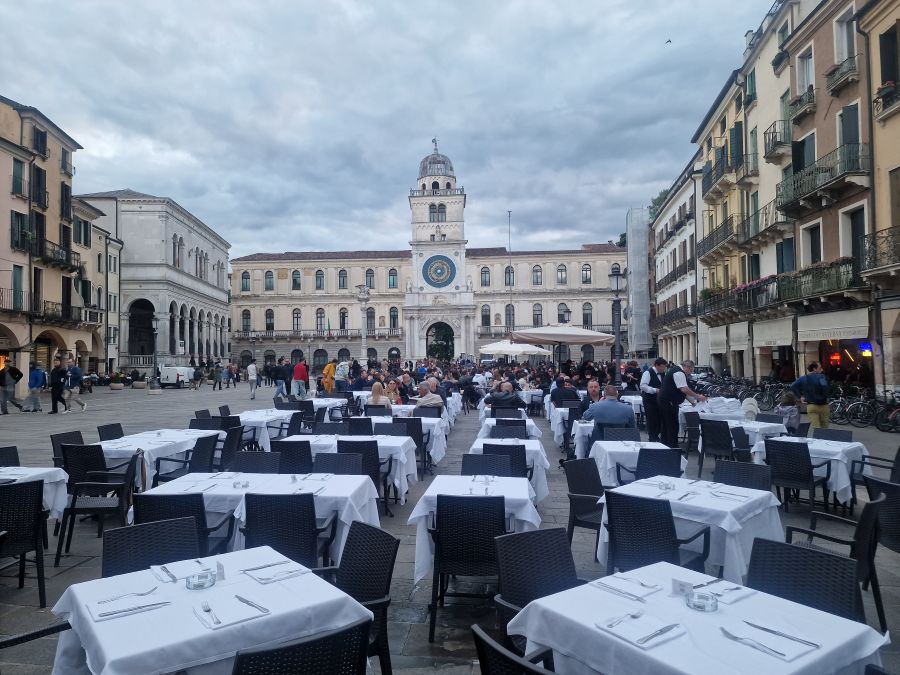
Italians speak Latin driven language, called Italian language. At the main tourist places and cities, English language is used. However, going further south and off the beaten track places, it becomes a bit harder to find people speaking English.
Pro Tip: You could use Google translate to communicate or learn few key words such as:
Buongiorno – Good morning
Buona Sera – Good Evening
Salve – Hello (Formal way to greet when entering shops after morning period)
Grazie – Thank you
Per Favore – Please
Permesso or Scusa – Execuse me
Biglietto – Ticket (pronounced as bi-li-ie-tto)
Binario – Train platform
Treno – Train
Autobus – bus
Stazione – station (could be used either for bus or train stations)
Macchina – Car
Noleggio – Rental car
Bancomat – ATM Machine
If you want to order coffee or tea at the coffee shop (it is called Bar in Italian the coffee shops):
- Un caffe per favore (1 coffee espresso please)
- Un capuccino per favore (Capuccino please)
- Un Te per favore (tea please)
- Un caffe Americano con latte per favore – American coffee with milk please
- Un Latte per favore – Milk Please
- Zucchero – Sugar
Italy Currency
Italy uses Euro as their main currency, banks and ATMs are found everywhere. And
Pro Tip: look for Italian banks to withdraw cash, as it offers cheaper conversion rates and commissions versus the EURONET machines you find everywhere.
Cash or Card Payments
Both are accepted in Italy; it is required by law that shops offer both card and cash services. However, in smaller towns, markets, street shops, cash is usually the choice.
Italy Religion
It is Catholic Christianity majority, with minors of Muslims, Judaism and others.
Italy Dress Code
Women and men are free to express their personalities, however, showing respect of religious sites by dressing modest and confining beach outfits to the beach areas only should be exercised.
Evenings are made for dressing up and showcasing the fashionable aspects of the Italian culture, Afterall, Italy is pronounced country for the ultra fashion sense.
Nudism is only accepted at certain beaches. Heavy fines are expected when not respecting the local laws and instructions of each place.
Weather in Italy
Because of the unique landscape and altitude and latitude of Italy, Italy enjoys a Mediterranean climate and having 4 seasons per year.
Winter Months
December until February are the winter months (very cold in the mountains and central to Northern regions, and the southern mountains). It is the main prime Ski season in all the mountains areas from North to South.
Winter months are best for skiing trips and exploring historical main cities without the crowds, Venice attracts the annual Mask carnival every February.

Spring Months
March until May are the Spring months, they tend to be the wetter months, moderate to cold temperatures in Central to South and cold in North and mountains (March to April is ski season in Northern Mountains)
Spring months are great months for skiing, trekking, exploring towns and perhaps first swims of the season in the southern coastal areas. Cheapest season to visit and explore Italian beauty.
Summer Months
June until August are the Summer months, hot to very hot months (could reach over 40 degrees in July and August) with high humidity, in August most Northern Italian holiday in South Italy for beach holidays
Summer months are best for dipping in the sea and visiting the islands for chilled and relaxed vibes, they are also the most expensive months to visit.
Pro Tip: August is the highest season in Italy and Europe, where the prices are skyrocketing. Northern Italian towns become ghost towns as August is the favourite month by Italians for sea holidays in the Southern parts of the country.
Autumn Months
September until November are the Autumn months, weather gets fresher and cold by end November, the cold snaps start earlier in Northern Italy and then extends to South.
Similar to Spring months, Autumn months are off season and prices are cheaper and perfect for the last swims of the season and quieter towns to explore.
Pro Tip: Italy is famous for its bright sunshine and blue skies even during winter, but when it rains, it tends to be torrential and associated with tropical thunderstorms, being equipped with umbrella and raincoats is recommended.
Entry Requirements to Visit Italy
Some nationalities are exempt from visit visas and others are required to apply for Schengen visa. It is best you check for your country’s entry requirement at your local/ country’s Italian Embassy website.
Top Tips for Visiting Italy by a Local
Getting to Italy
By Air
Getting to Italy is very easy, in Italy there are 37 major airports serving both domestic and international routes, people travelling from Paris and Berlin can take the overnight trains to get to Milan or arriving to one of 2 Rome’s main airports or Milan 4 airports to connect with the rest of Italy.
By Train
Italy has very fast trains that connects the country from North to South, and also connects with some European cities either by overnight trains or short trips trains.
Train tickets can be purchased either online or by person at the train station. At the train station there are train tickets vending machines or if you prefer a human interaction, you could buy directly from the tickets office.
If you purchase the ticket online, it is often validated and has the date and time on it.
The case is different when you buy the train tickets by person, you would have to validate your train ticket before you hop onto the train, by using the green validation machines, ask for them if you are unsure. Just DO NOT get on the train without validating the ticket, otherwise you will pay a hefty fine onboard!
Pro Tip: I usually book my tickets using Trainline App/ Website, easy to use and it save all your trains tickets in one place. Trainline can be used across Europe including the UK.
By Bus
Europe generally is well connected by bus, Flexibus is a good company to travel by bus and cheaper method to travel around, you could book your bus ticket from here.
As for the local buses, it is always best to consult with your stay host, as each town/city have different websites and schedules.
Pro Tip: you could buy regional and local bus tickets from the Tabacchi (small shops that sell smoking supplies, bus tickets and sweets) by card or cash or from the bus driver, only cash accepted.
By Car
Definitely is the most convenient way to travel around Italy if you want to plan your day visits at your own pace and freedom. There are lots of reliable rental car offices at each airport.
I personally use rentalcar to book my car rentals because it shows all the different car sizes, preferences, reliable rental companies’ comparison, deposit required and else.
Pro Tip: always read the full information and the small print before booking your car, in Italy we drive mostly with a stick, if you want to drive automatic you would need to request in specific, and the rates are usually higher.
Pro Tip: It is always recommended you get the full car insurance against theft, fire and else at the rental counter and not from the car rental website.
Highways in Italy
In Italy there is highway that connects major cities and regions, and often they are paid Tolls.
You could pay by either cash or card at the Tolls, just pay attention to the right queue for payment when entering the Tolls.
Car Parking in Italy
If you chose to drive in Italy and you want to park your car, blue lines are paid car parking and you could pay by downloading the app online or by card or machine, you would need to have your car number with you.
White lines are for free or for limited times under 1-hour, for the later you would need to buy from a shop the manual clock and set the time on your windscreen.
Yellow lines are for disabled car parking.
When there are no lines and no stopping signs, usually car parking is for free and allowed, this can be found mostly at small villages.
Taxis/Uber
Uber is used in the big cities such as Milan, Verona, Rome and Naples. However, smaller cities and others they use by call Taxi services or usually lined at the train stations and airports.
To check and book your taxi, always check with your accommodation host to share the number to book taxi. Taxis usually accept card payments with few only possible to pay by cash only.
By Ferries (Islands Connections)
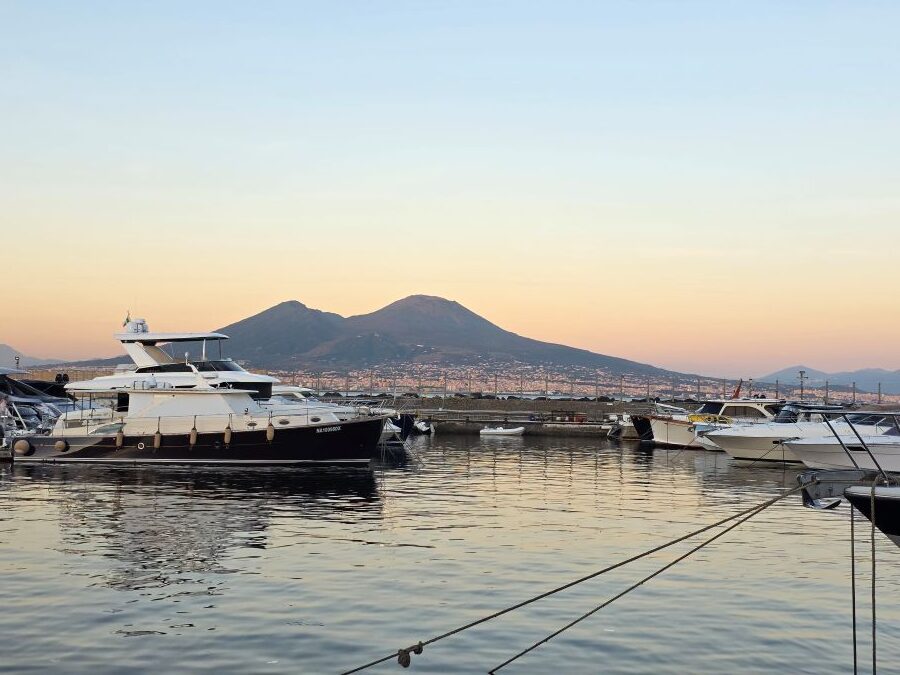
Because Italy has 2 main islands (Sicily & Sardinia) and many other smaller ones, there are ferries connecting mainland with all the islands.
It is always possible to book your ferry tickets directly from the tickets office, but it is recommended to prebook it online during the peak seasons.
OMIO is great to find the best routes and ferries.
Pro Tip: if you have the budget, you could reach to smaller islands by renting private boats or even better by taking helicopters! because why not!
#2: Internet and Sim Cards
Internet in Italy is fast and reliable apart from really secluded areas or inside old fortress buildings. Almost every restaurant, bar and stay offer free wifi.
To ensure your comfort and staying connected while travelling, I use AIRALO E-SIM, very reliable and easy to install within seconds.
#3: Tipping Culture in Italy
Tipping is not the norm in the Italian culture, but it is expected at the main tourist attractions with around 10% of the total bill, if you do not want to tip, this is also fine.
Tips are usually paid in cash and not by card in Italy (due to heavy taxation system)
Pro Tip: at some places you will find COPERTO added to your bill which is fixed amount up to €5 per person to cover the service charge.
#4: Working hours and Siesta Time (Lunch Pause)
When travelling central and southern parts of Italy, you will find shops closing hours are from 12:30 – 4:30pm and restaurants closing after lunchtime from 3:00 – 7:00pm.
Due to the heat at those hours, people tend to take a nap (Riposo) and the whole town goes into relax mode.
Restaurants reopen between 7:00 – 7:30pm and mostly they close either on Mondays or Tuesdays, therefore check the working hours before you go.
Pro Tip: It is recommended to book popular restaurants at the hot touristy spots 3 months in advance during June – August months.
#5: Food & Dietary Requirements in Italy
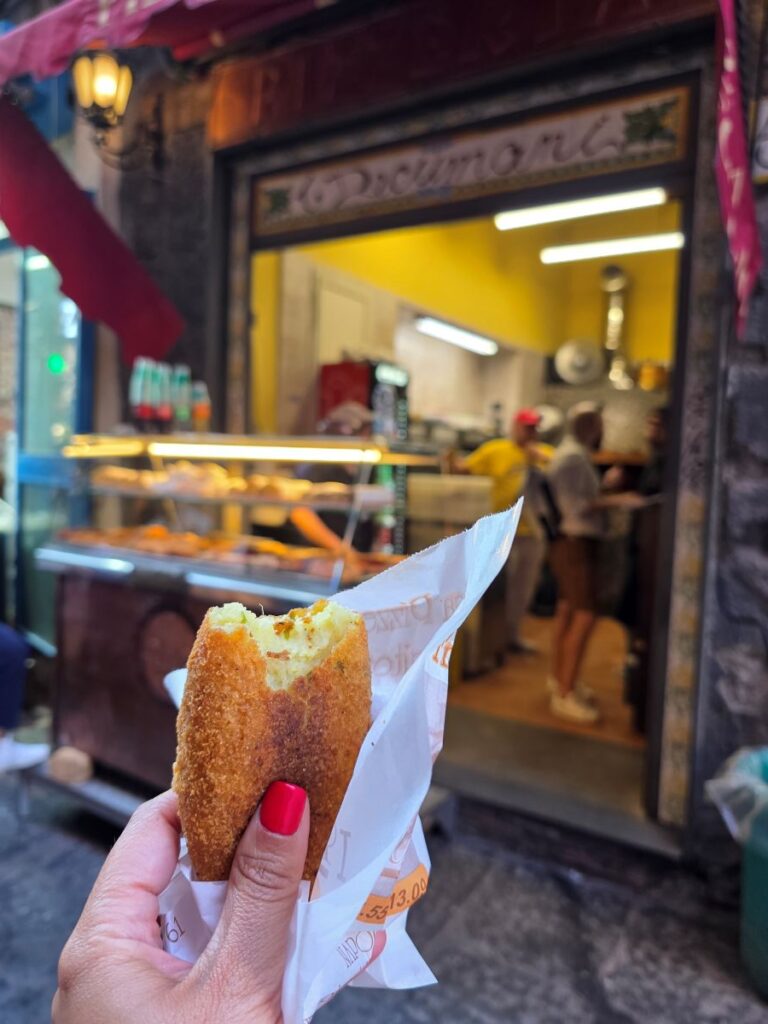
Main diet in Italy is pasta, pizza, seafood, grilled vegetables and pastries. In the bigger towns and cities, they offer range of dietary requirements from Lactose free, vegan, vegetarian, gluten-free ..etc.
Just give the restaurant a call before you go to ensure they cater to your dietary requirements.
#6: Shopping in Italy & Tax Free
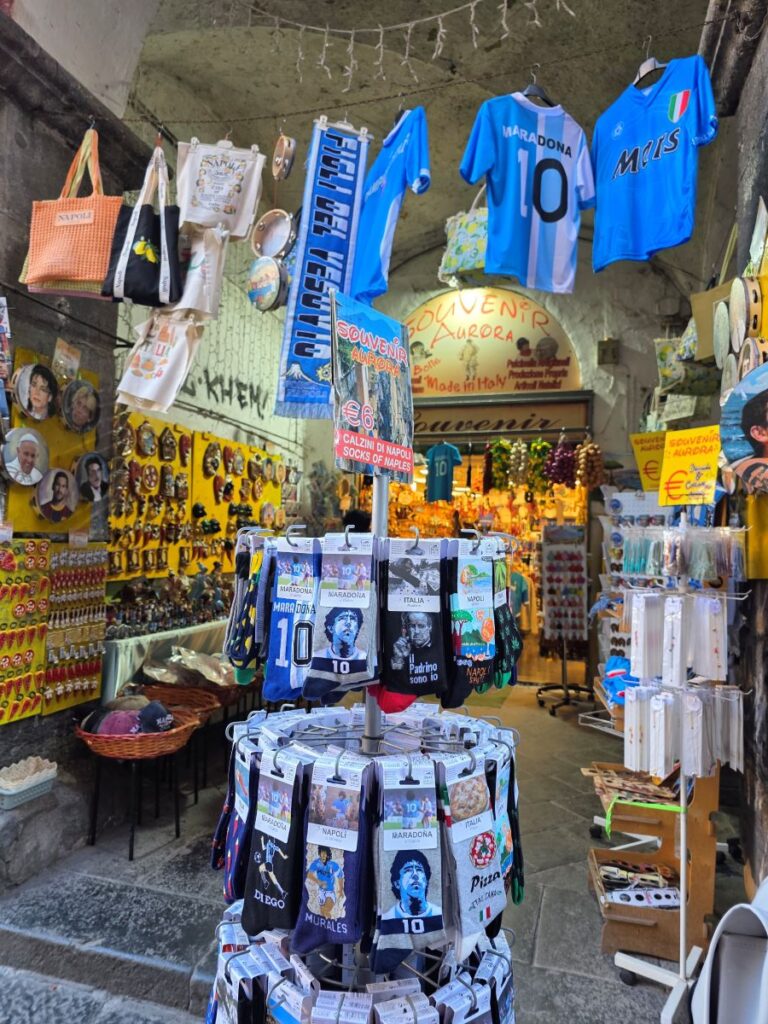
Italy is the shopping haven destination for fashion enthusiasts; they do offer tax returns when spending a minimum amount at certain shops.
To claim the tax free, make sure to carry your passport with you.
#7: Healthcare & Emergencies
Urgent and emergency health care is usually offered for free for everyone at public hospitals only.
As for non-emergency illnesses, either you go to the hospital and pay and claim back from your insurance or you could request an online consultation such as this website doctors in Italy.
Pro Tip: It is advisable to bring all your medications with you and keeping them in your hand luggage including contraceptive pills (those are prescribed in Italy by Doctors) and over the counter medicines.
#8: Pharmacies
Pharmacies have usually the Green cross sign and they sell medications. In Italy you may find some pharmacies with blue cross, those are called Para-Farmicia, where they sell vitamins, cosmetics and all medications that do not require prescription.
#9: Main Supermarkets
Supermarkets and mini markets main brands in Italy are called:
- CONAD
- EUROSPIN
- ALDI
- LIDL
- COOP
- CARREFOUR
- DOK
Just locate them on the map if you want to explore the Italian groceries shopping culture!
#10: Trusted Travel websites to book Accommodation/Tours/ Rental cars/ Flights
- For flights I use Skyscanner as it shows comparison of flight pricing
- For Hotels and apartments, I use booking.com
- For private or group tours I use either Viator or Getyourguide
- For Renting cars, I use Rentalcars
- For booking Train tickets I use Trainline
- For Booking Buses I use Flexibus
- For E-SIMs and Data Roaming I use Airalo
- For general transportation booking in Europe I use OMIO
- To store luggage in Italy and find a place I use Radical Storage
Make sure to subscribe to my newsletter for 2 Italy free Itineraries from a local! And visit other articles in my blog to find your next hidden gem places!
You need help planning your travel to Italy, contact me directly here and if you just need a quick Italy itinerary check with me, book your call now.